Case History

Historical recovery and integrated air conditioning

The project for the new National Library of Genoa stems from the transformation of a prestigious grand hotel of the 1920s into a modern cultural centre. The intervention followed the principle of “transformation through conservation”, maintaining the architectural and structural identity of the historic building and integrating advanced plant systems to ensure comfort, efficiency and the preservation of the building’s literary heritage.

The new site, which is destined to accommodate approximately 950,000 volumes, has been designed in compliance with the monumental constraints and the original characteristics of the building, preserving the load-bearing structures, decorative elements, stairs and the core layout. The spaces have been reorganised to accommodate reading rooms, warehouses, media libraries, meeting rooms, educational areas and services, transforming the structure into a cultural centre that is open to the entire city.
Gallery

The Plant

Versatility and Advanced Climate Control

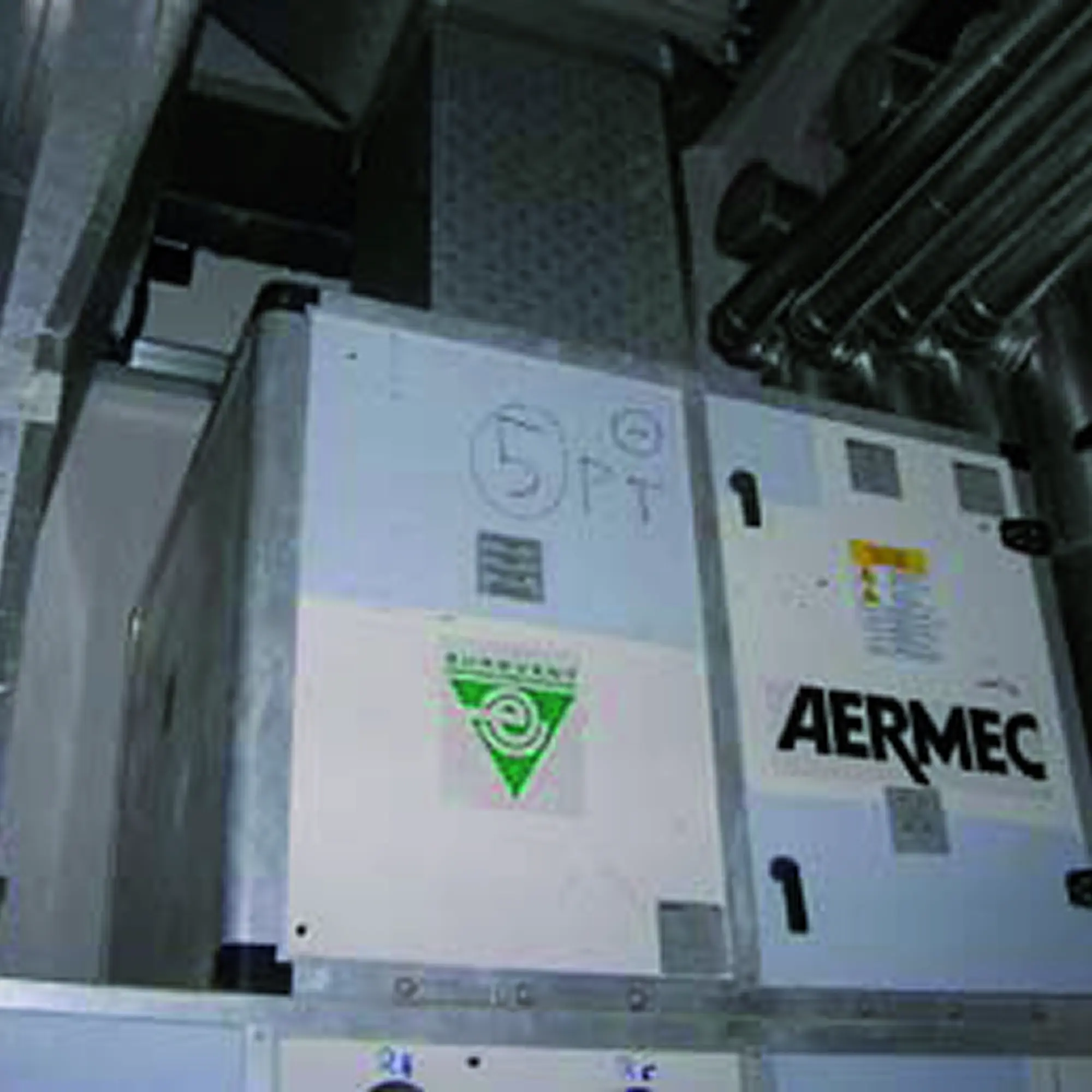
The air conditioning system has been developed to meet both the comfort needs of users and the thermo-hygrometric requirements necessary for the storage of books. The system is based on air handling units dedicated to the different areas of the library, with filtered and controlled primary air intake, integration of humidifiers, and four-pipe hot and cold management. The production of heating and cooling energy is entrusted to heating and cooling units installed on the roof, with variable flow distribution to adapt to real loads and optimise consumption. Integrated design solutions have made it possible to install the various systems without altering the historical elements of the building: for example, in the monumental rooms, the delivery vents have been placed in the same places as the original anemostats, preserving the aesthetics of the environments.

This project demonstrates how an integrated approach to design which incorporates architecture, structures and systems can transform a historic building into a modern cultural infrastructure, maintaining its architectural value and improving its functional performance. The new National Library of Genoa thus represents an example of balance between conservation, technological innovation and quality of spaces.

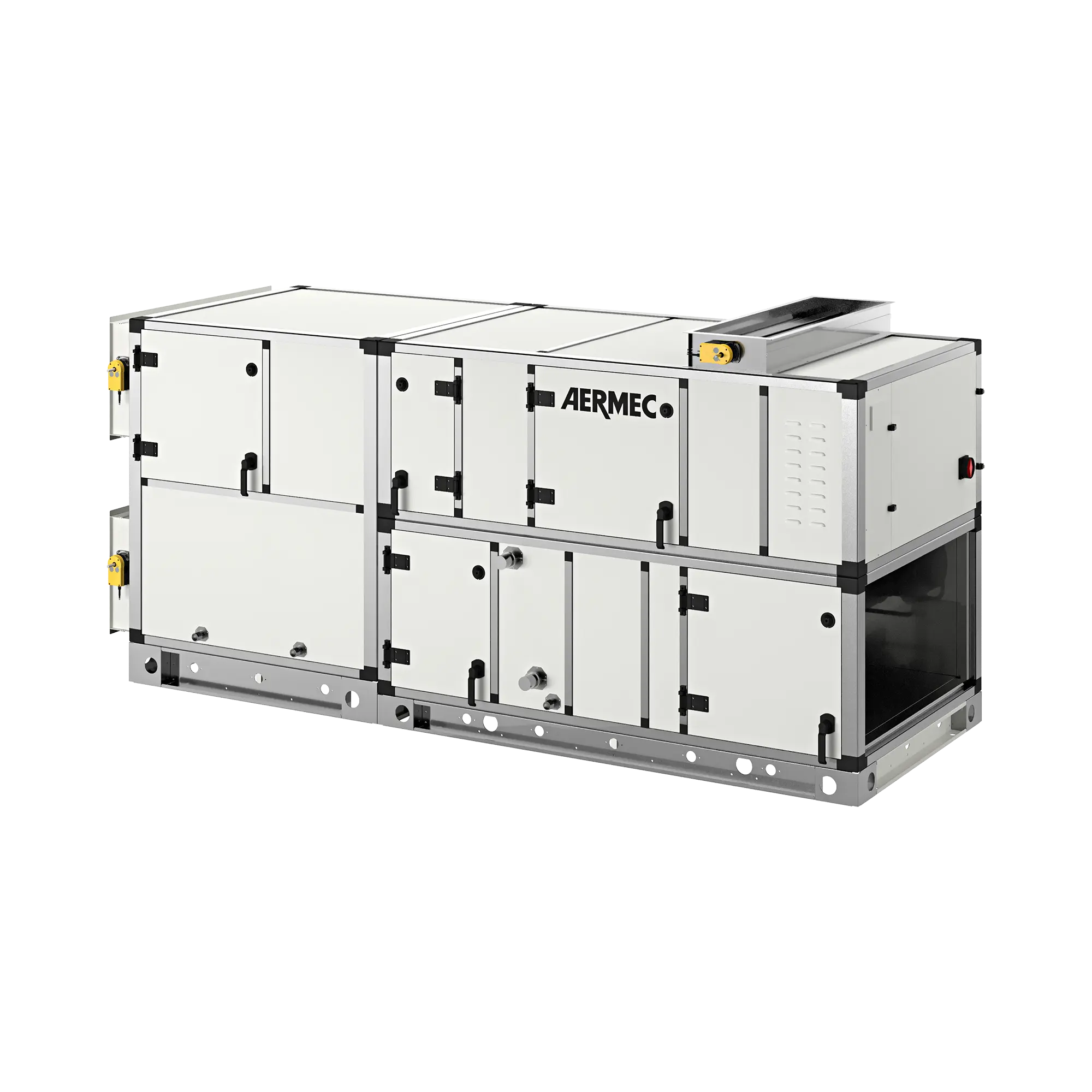
The units used in the project

NCD